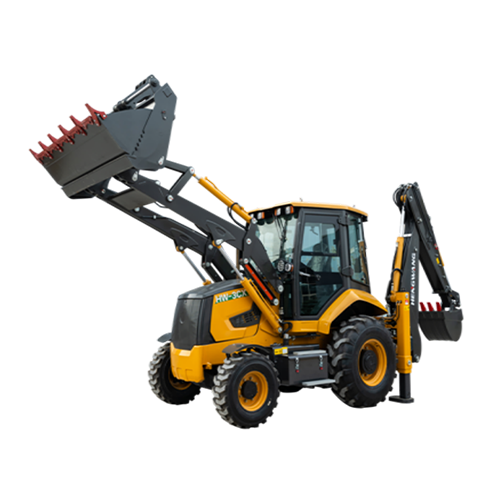
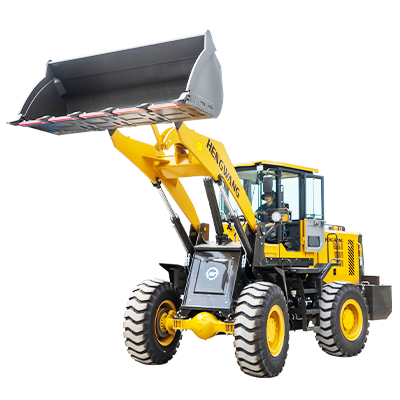
Wheel excavators require precise operational techniques for efficient ground leveling. Here are three core technical points covering terrain assessment, machine positioning, and dynamic adjustment:
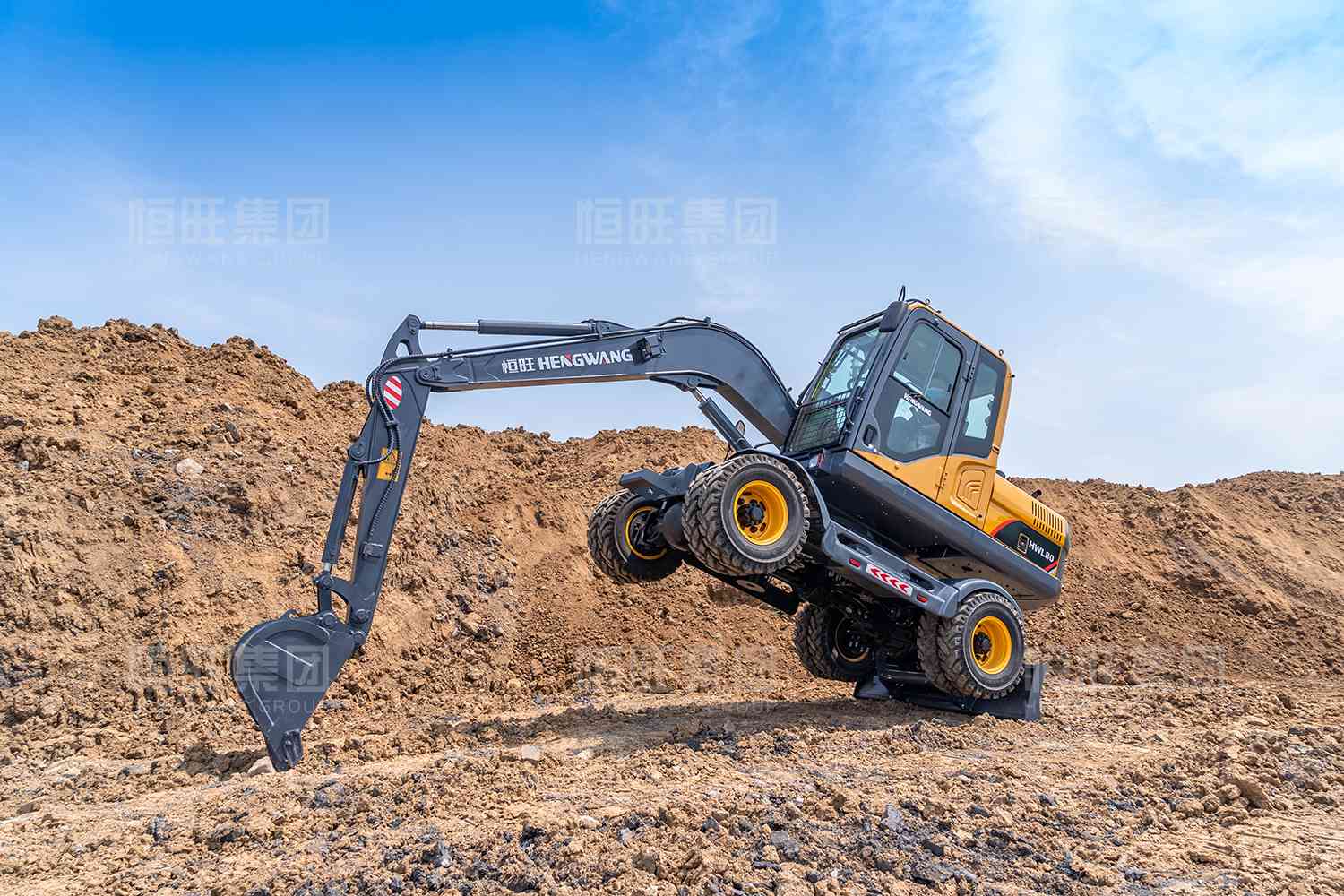
Pre-job site survey: Identify high and low points across the work area.
Establish a reference point at the highest elevation, then progressively level toward depressions.
Use excess soil from high areas to fill low spots, creating a baseline for subsequent leveling.
Maintain a 40° angle between the boom and arm during lowering operations.
Position the bucket edge parallel to the arm for maximum ground contact.
Execute a coordinated motion: lower bucket to ground → retract arm → lift boom to transfer soil rearward.
Rotate the excavator systematically, ensuring overlapping passes for uniform leveling.
Continuously adjust boom, arm, and bucket movements based on real-time terrain feedback.
Maintain consistent bucket-edge alignment with the travel direction to eliminate unevenness.
Use smooth, rhythmic motions (ground contact → arm retraction → boom lift) to create a planar surface.
Reduce travel speed on soft ground to minimize machine sway.
Pre-scarify hard surfaces before precision leveling.
Employ sectional progression for long-distance leveling (10-15m segments).